DANUSERFind Your Perfect Post Driver
Post drivers are indispensable tools in construction and agriculture. They simplify the task of driving posts into the ground, whether for fencing, signage, or other structural purposes. With advancements in technology, the market offers a variety of post driver options, each designed to meet specific needs. This article delves into the current post driver options, providing an overview of the available types and their applications.
Understanding Post Drivers
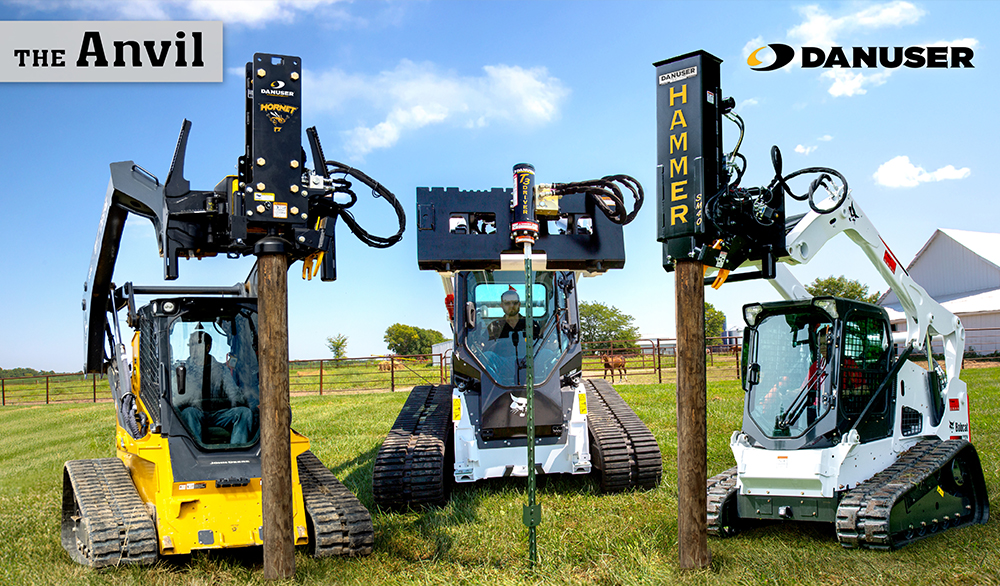
Post drivers, also known as post pounders or post rammers, are devices used to drive fence posts, signposts, and other types of posts into the ground. They come in various forms, including manual, hydraulic, and pneumatic (gas powered) models. The choice of a post driver depends on factors such as the type of posts you are driving, the soil conditions, and the scale of the project. Vehicle mounted units typically come with changeable driving tools for diverse types of posts and commonly can be used to break concrete and rock.
Key Features to Consider
When evaluating post drivers, these key features can enhance their performance and usability. Here are five important aspects to consider:
- Striking Speed: The number of strikes per minute can significantly impact the efficiency of the post driver. Higher striking speeds allow for quicker post installation.
- Energy Class:This refers to the amount of force a jackhammer post driver can deliver. Higher energy classes are suitable for driving larger posts and working in tougher soil conditions.
- Multiple Driving Tools: This feature allows for easy swapping of driving tools without the need for additional tools, enhancing productivity. Users need to understand the process for switching tools as changing the driving tools will typically happen in the field away from a shop and equipment.
- Grapple Option: A hydraulic grapple can enable one-person operation by allowing the user to pick up, load, and drive posts without additional assistance.
- Tilt Option: When driving on uneven ground, a tilt feature allows the driver to be brought plumb before driving. This helps ensure the posts are straight and undamaged on any terrain.
Danuser's Post Drivers
T3
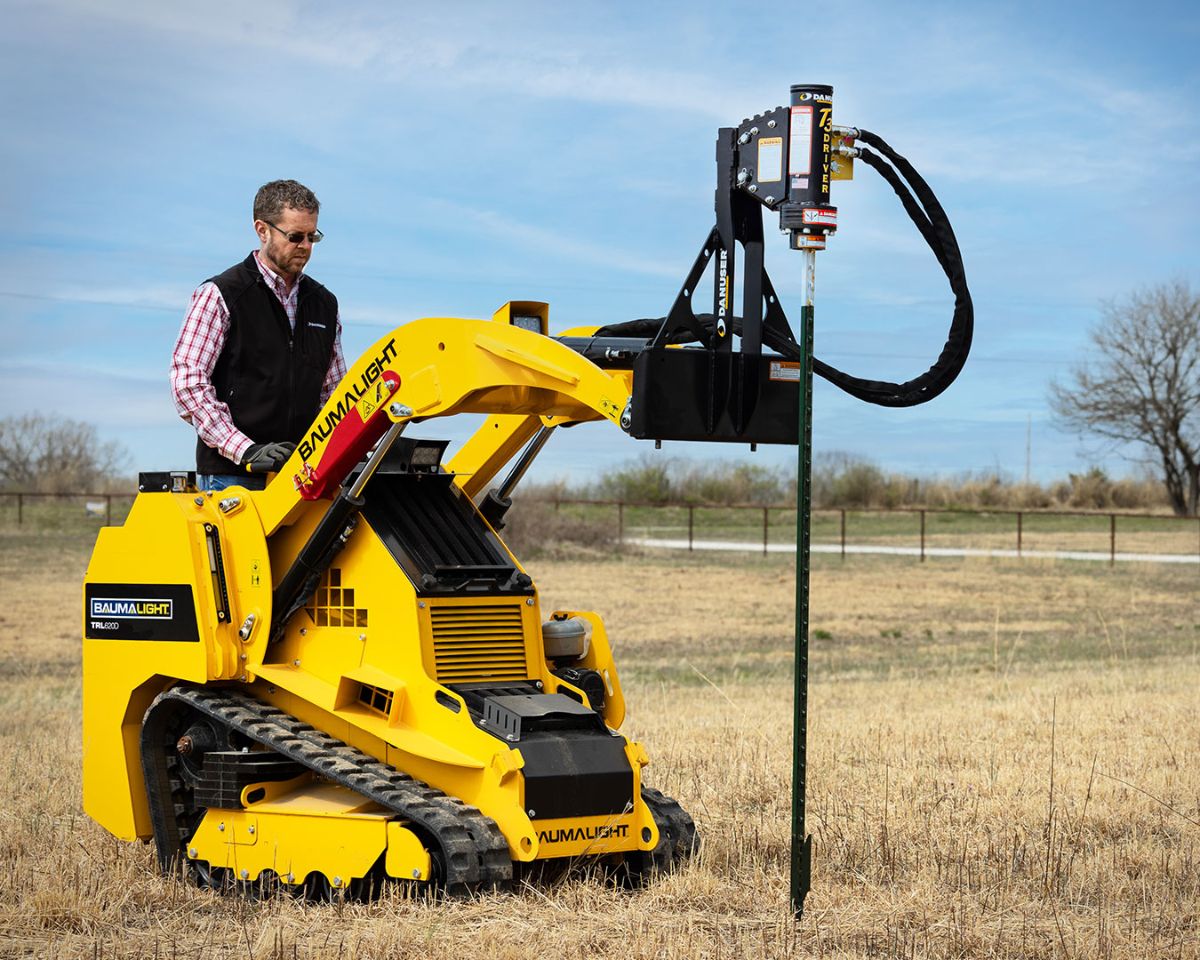
A simple post driver that uses the vehicle hydraulics to compress and release a spring, driving a weight into the post and the post into the ground. This option is the most affordable of the vehicle mounted drivers making it ideal for smaller properties and projects. Suited for T-posts and small diameter pipe, the T3 can be mounted on the widest range of equipment. It offers a variety of mounts, including an extendable mount that allows you to drive parallel to the fence line. Speed depends on the hydraulic flow of the vehicle, reaching up to six times per second, and the optional manual tilt allows adjustments for uneven terrain. With rugged design and simple maintenance, the T3 is well suited for farms and ranches.
Hammer
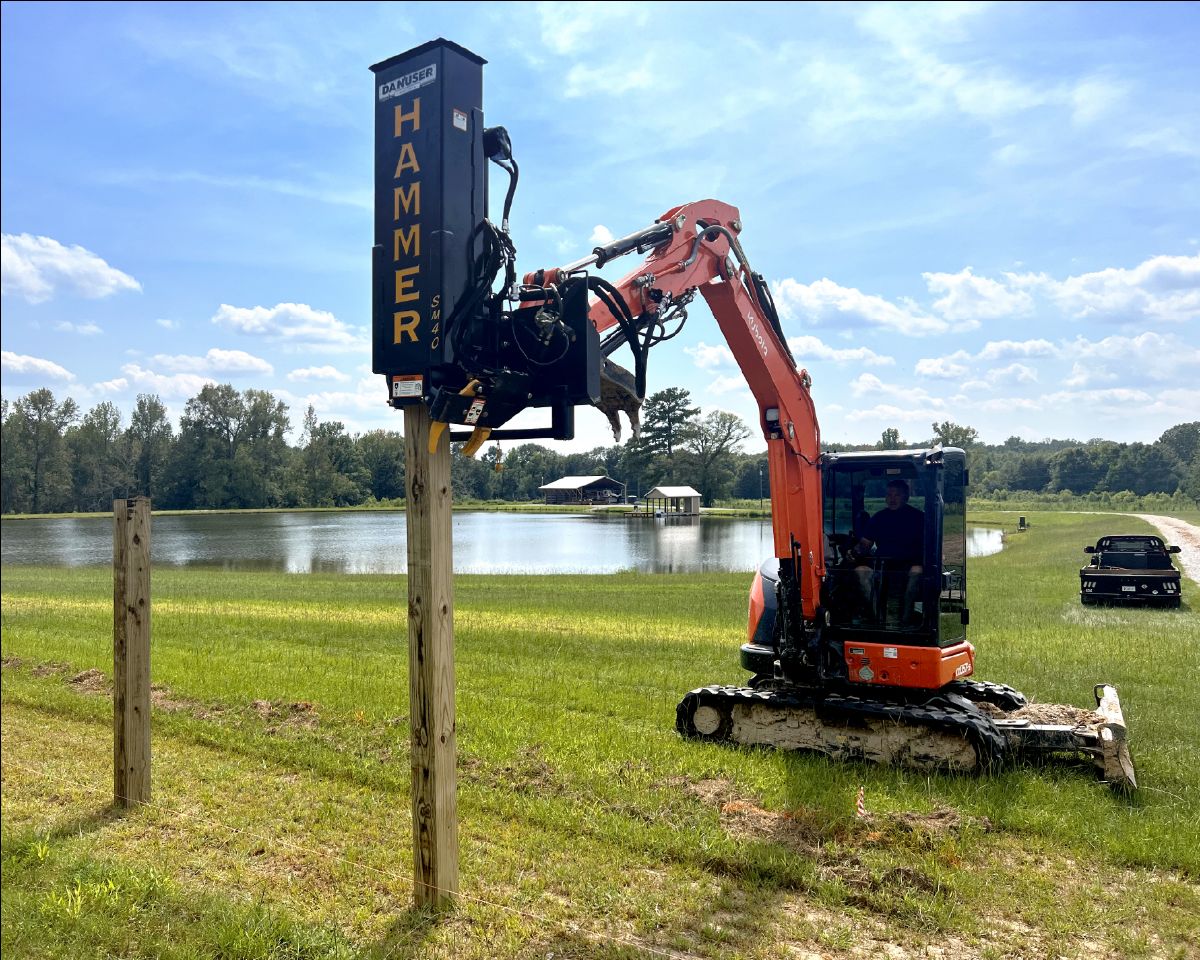
A drop weight post driver that uses the hydraulic power of the vehicle to lift and drop a weight, making use of gravity to drive the post into the ground. This larger driver is typically used for wood posts up to 8 inches and railroad ties. It also offers a variety of optional strike plates designed for use with posts, I-beams, square posts and pipe. The Hammer hits with a striking speed of 35 strikes per minute at a force up to 82,000 lb. per strike, making it the hardest hitting driver we have. This power is crucial when driving large posts into difficult soils. The Hammer can be mounted on a wide range of vehicles and is simple to use and maintain. It has short stroke capability to achieve precise depth control when driving. You may choose to equip your Hammer with our patented grapple, which allows you to lift the post off the trailer, carry it to the site and drive it into the ground, all without leaving the vehicle seat. The optional hydraulic tilt allows infinite adjustability up to 20 degrees either side of center, making hill sides no problem at all.
Hornet
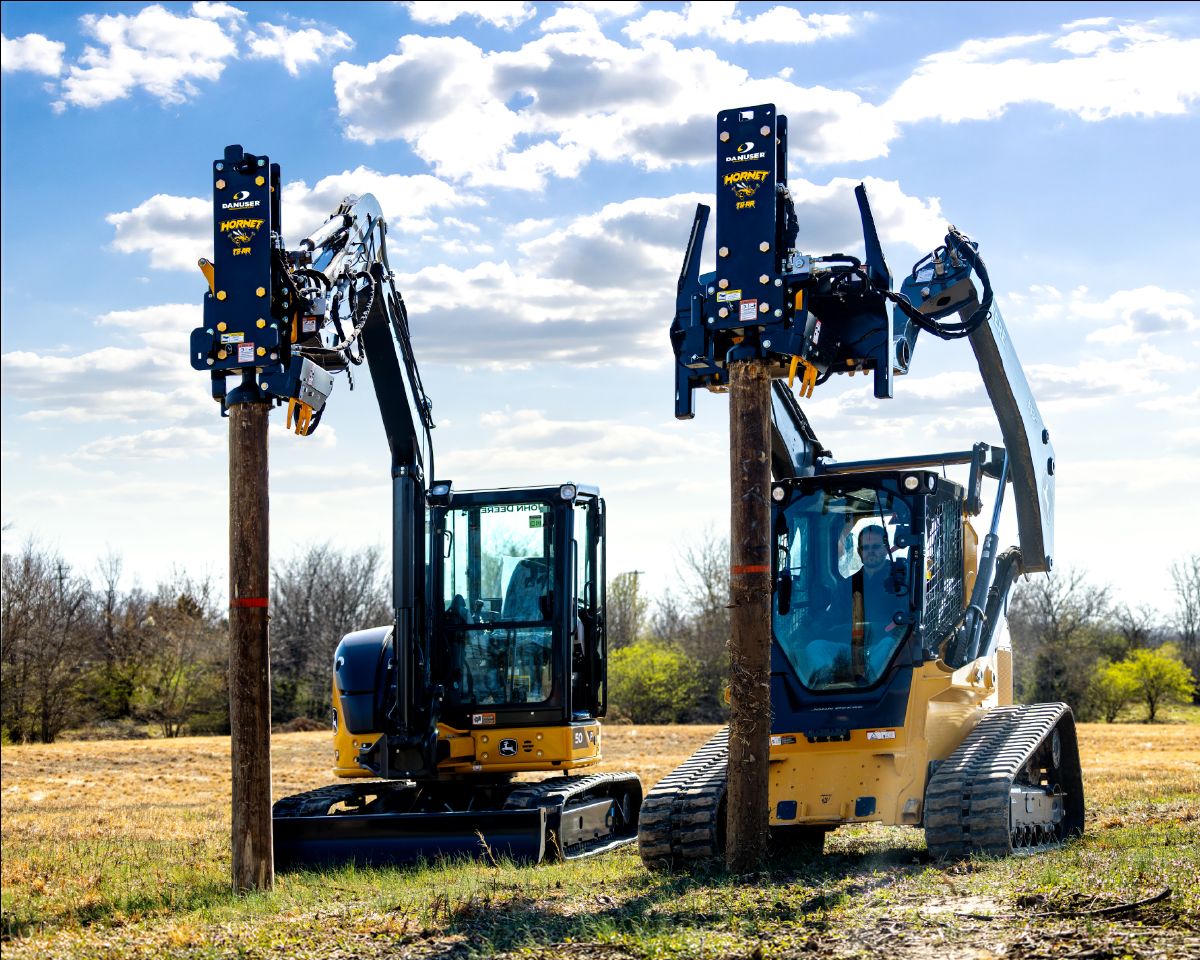
A jackhammer style post driver, the Hornet uses a mixture of hydraulic and pneumatic force to drive posts. With changeable driving tools, it is excellent on all types of posts, pipes and even railroad ties. Concrete breaker and rock spike tools expand its capability to a wide range of soils, asphalt, concrete, and fracturable rock. Conveniently, all driving tools are changed using only your hands, no hammer or punch required.
Designed in every way for the professional, the Hornet drives at a high rate of speed, impacting the post 400-900 times per minute. This is the speed you need when this is how you make your living. As the most versatile of all the Danuser drivers, the Hornet comes with options for adding grapple, hydraulic tilt, domed or flat driving tools, a concrete breaker tool, and a rock spike for creating pilot holes without needing to change to another attachment. The CTL/Skid-Steer model Hornet contains onboard post storage and the option for an additional weight kit to reduce recoil and shorten driving time even more. Maintenance is simple but regular, and the Hornet must be frequently lubricated when in use.
While not every needs a Hornet, when you do, there is no substitute.
Choosing the Right Post Driver
When selecting a post driver, it is essential to consider the specific needs of your project. Factors such as the type of posts, soil conditions, and the scale of the project will influence your choice. Here are four general guidelines to help you choose the right post driver:
- Small-Scale Projects: For small-scale projects and lighter posts, manual post drivers or smaller hydraulic models may be sufficient. These options are cost-effective and easy to use.
- Large-Scale Projects: For larger posts and tougher soil conditions, drop weight or jackhammer post drivers are more suitable. These models offer greater power and efficiency, making them ideal for commercial and industrial applications.
- Versatility: Consider post drivers that offer versatile mounting options, such as compatibility with tractors, skid steers, mini-excavators, loaders, mini-skid-steers, and backhoes. This flexibility allows you to use the post driver in various work environments.
- Productivity Enhancements: Features like the grapples, tilt, concrete breakers and easily changed driving tools can enhance productivity and ease of use, making the post driving process more efficient.
Get the Right Post Driver for Your Job
Not sure which post driver you need? We'll make it easy. Gather these details so we can recommend the perfect fit:
- What kind of vehicle you will be using (skid-steer, tractor, excavator)
- What types and sizes of posts you will be driving
- What types of ground you will be driving in
- Let us know if this is occasional work or if you do this full time
Once you have this information, click "How to Buy" below to request a quote and connect with your local distributor.

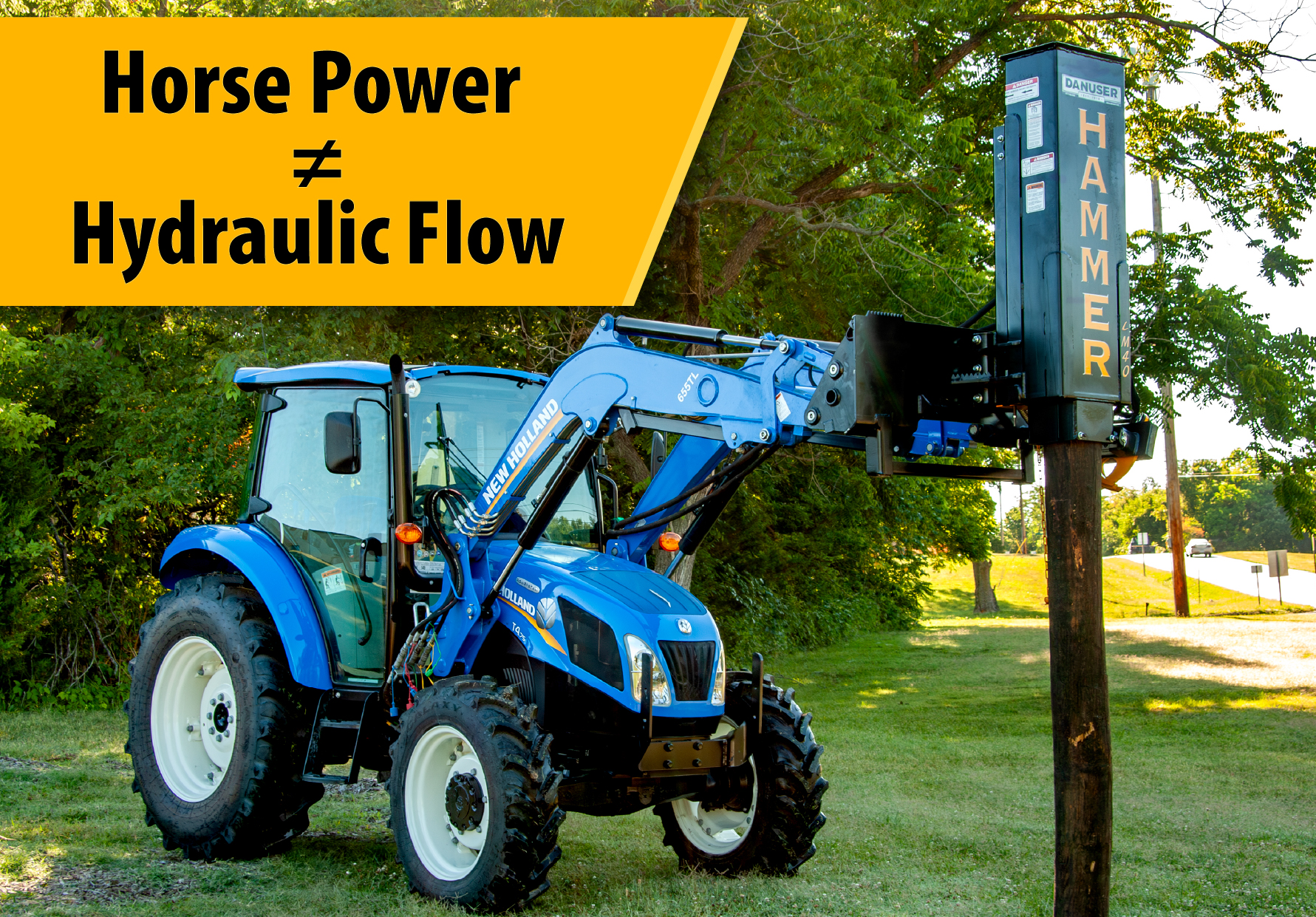
Many customers mistakenly believe that a tractor's horsepower directly correlates with its hydraulic flow, but this isn't always the case. Horsepower measures the engine's overall power, while hydraulic flow refers to the volume of hydraulic fluid the system can move. The flow measured in gallons per minute (GPM) and the pressure measured in pounds per square inch (PSI), are crucial for understanding the system's capability to properly run the desired attachment.
A large tractor may have high horsepower for tasks like pulling heavy loads, but its hydraulic system might not be designed for high flow rates or pressure. Conversely, a smaller horsepower skid-steer can have a more efficient hydraulic system, providing higher GPM and PSI for attachments. Therefore, it's essential for customers to check both GPM and PSI specifications to ensure their equipment meets their hydraulic needs, rather than relying solely on horsepower.